
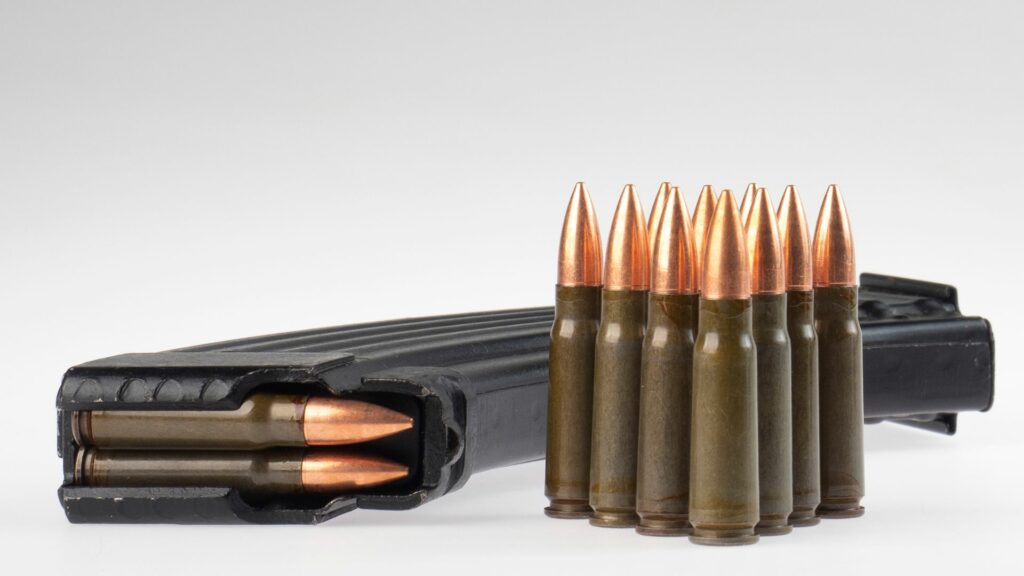
Would you like to learn the differences between Polymer vs. Steel Gun Magazines? When it comes to firearms, every component plays a crucial role in ensuring optimal performance and reliability. One such component is the gun magazine, a critical part of the firearm that feeds ammunition into the chamber. The material from which a magazine is made can significantly affect its functionality, durability, and overall performance. Therefore, choosing the right gun magazine material is essential for shooters, whether for recreational, competitive, or defensive purposes.
Among the various materials used for gun magazines, polymer and steel stand out as the two most popular choices. Each material offers distinct advantages and disadvantages, making the choice between them dependent on the specific needs and preferences of the user. In this article, we’ll delve into the characteristics of polymer and steel gun magazines, comparing their pros and cons to help you make an informed decision.
Overview of Polymer Gun Magazines
Polymer, a type of plastic, has become increasingly popular in the firearms industry due to its versatility and lightweight properties. Polymer gun magazines are known for their innovative design and functionality, offering several advantages over traditional materials.
Advantages of Polymer Magazines:
- Lightweight: Polymer magazines are significantly lighter than their metal counterparts, making them easier to carry and handle, especially during extended shooting sessions or when carrying multiple magazines.
- Resistant to Corrosion: Unlike metal magazines, polymer magazines are not susceptible to rust or corrosion, making them ideal for use in humid or marine environments.
- Flexibility and Impact Resistance: Polymer materials have a degree of flexibility that allows them to absorb impact without permanent deformation. This makes polymer magazines more resistant to damage from dropping or rough handling.
Disadvantages of Polymer Magazines:
- Potential for Warping Under Extreme Temperatures: While polymer magazines perform well in most conditions, they can warp or become brittle in extreme temperatures, potentially affecting their reliability.
- Less Durable Than Steel in Some Scenarios: While polymer magazines are generally durable, they may not withstand the same level of abuse as steel magazines, particularly in harsh environments or under heavy use.
In the next section, we’ll explore the characteristics of steel gun magazines and how they compare to their polymer counterparts.
Polymer vs. Steel Gun Magazines Comparison Chart
| Feature | Polymer Magazines | Steel Magazines |
|---|---|---|
| Weight | Lightweight | Heavier |
| Corrosion Resistance | High resistance to corrosion and rust | Susceptible to rust without proper maintenance |
| Impact Resistance | Good impact resistance; flexible | More rigid; can dent but less likely to crack |
| Durability | Generally durable, but can warp in extreme temperatures | Highly durable and resistant to deformation |
| Maintenance | Low maintenance | Requires regular maintenance to prevent rust |
| Cost | Generally less expensive | Can be more expensive depending on the design |
| Temperature Sensitivity | Can become brittle or warp in extreme temperatures | More resistant to temperature extremes |
| Compatibility | May not fit all firearms as snugly as metal magazines | Often provides a more precise fit |
