

Before purchasing gun magazines, it’s crucial to understand several key factors to ensure you make informed decisions. Whether you’re a seasoned firearm owner or a novice enthusiast, knowing the compatibility, legal considerations, and types of gun magazines available is essential. This guide will outline these important aspects to help you navigate the process of buying gun magazines with confidence.
I. Understanding Your Firearm and Gun Magazines
Before buying gun magazines, it’s vital to ensure compatibility with your firearm. Different firearms are designed to accept specific types of magazines, varying in size, shape, and mechanism. Some firearms may only accept proprietary magazines, while others have more flexibility in magazine options.
- Research Your Firearm Model: Begin by identifying the make and model of your firearm. This information can usually be found in the firearm’s documentation or stamped on the weapon itself.
- Consult Manufacturer Recommendations: Manufacturers often provide guidelines on compatible magazines for their firearms. Refer to their recommendations to ensure optimal performance and safety.
II. Types of Gun Magazines
1. Overview of Various Types
Gun magazines come in various configurations, each serving specific purposes and preferences. Understanding the different types is essential for selecting the most suitable magazine for your firearm.
- Detachable Box Magazines: These are the most common type of magazines, featuring a box-like shape and a spring-loaded follower. They are easy to load and provide reliable feeding of ammunition.
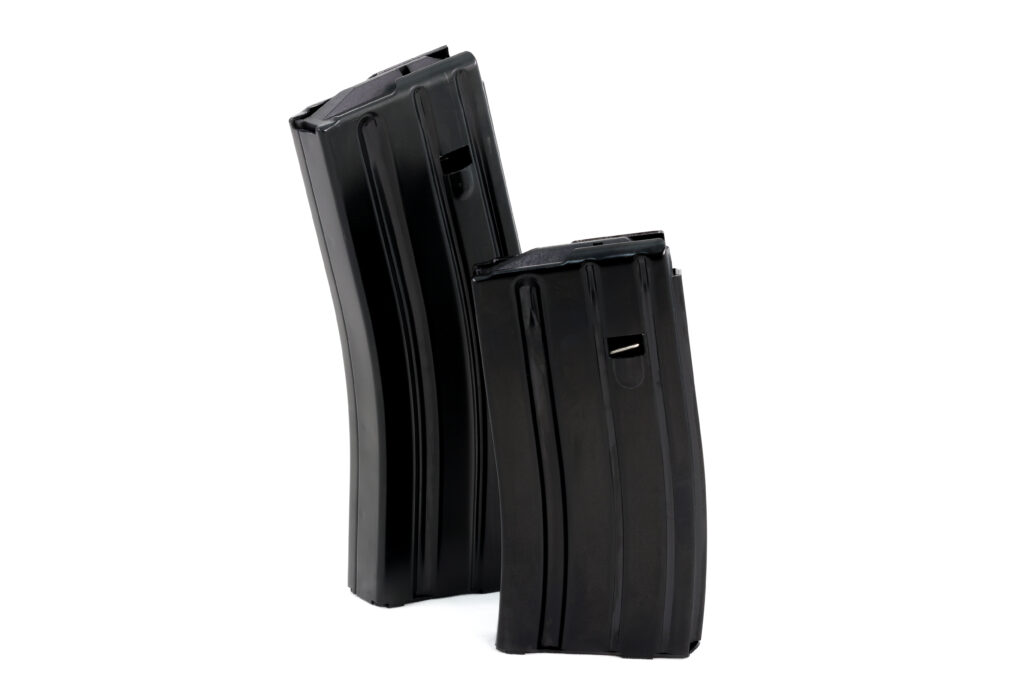
- Drum Magazines: Drum magazines have a cylindrical shape and can hold a larger number of rounds compared to box magazines. They are favored for their high capacity but can be bulky and heavy.
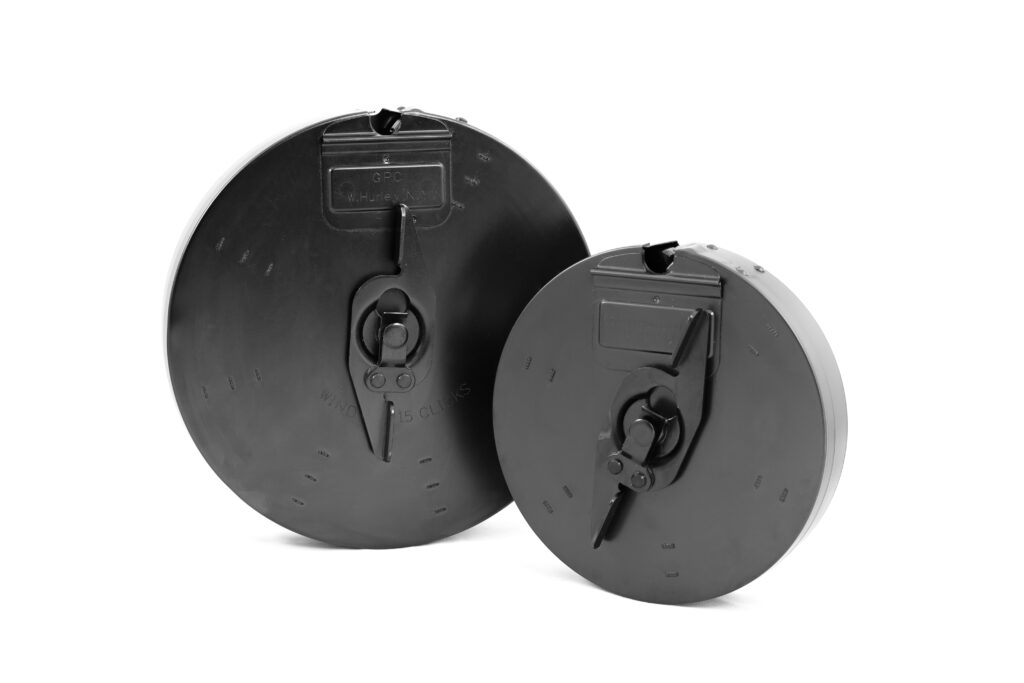
- Extended Magazines: Extended magazines have an increased capacity compared to standard magazines due to their extended length. They often protrude below the grip of the firearm, providing a larger ammunition capacity without sacrificing concealability.
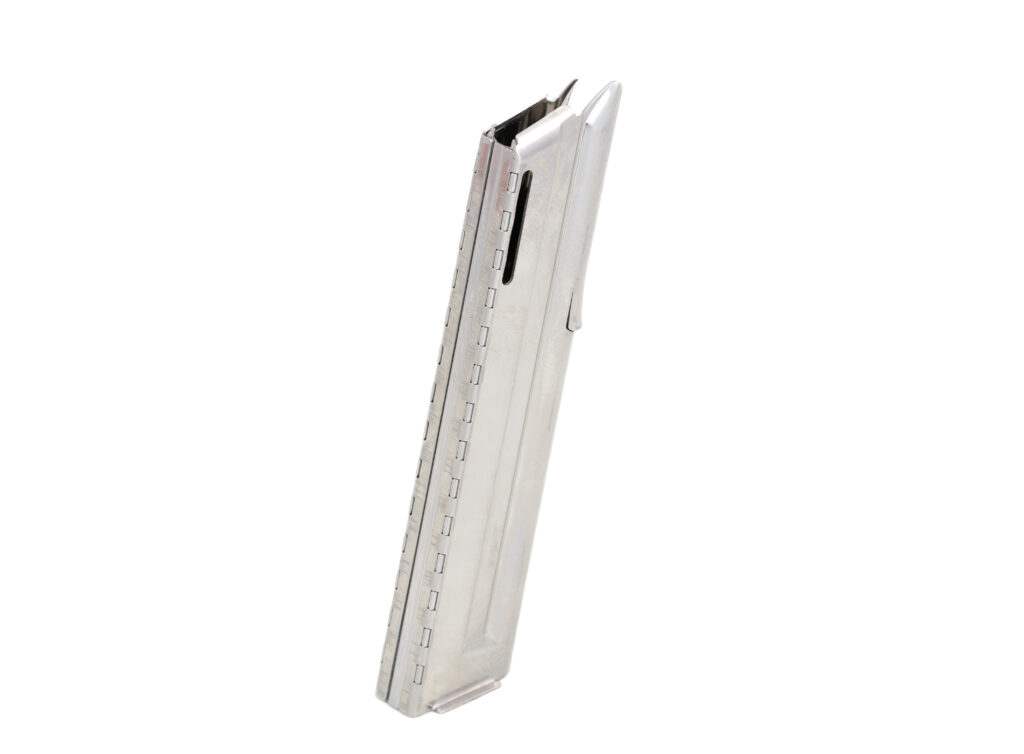
2. Pros and Cons of Each Type
| Magazine Type | Pros | Cons |
|---|---|---|
| Detachable Box Magazines | 1. Easy to load and unload. 2. Reliable feeding of ammunition. 3. Available in various capacities to suit different needs. | 1. Limited capacity compared to drum magazines. 2. May protrude from the firearm’s grip, affecting ergonomics. |
| Drum Magazines | 1. High ammunition capacity. 2. Reduced need for frequent reloading. 3. Suitable for sustained fire or extended shooting sessions. | 1. Bulky and heavy, affecting firearm balance. 2. More prone to jamming compared to box magazines. 3. Higher cost compared to other types. |
| Extended Magazines | 1. Increased ammunition capacity without significantly altering firearm dimensions. 2. Suitable for situations requiring higher rounds on target. | 1. May affect firearm balance and ergonomics. 2. Potential for snagging or interference with holstering. 3. Limited concealability compared to standard magazines. |
III. Factors to Consider Before Buying Gun Magazines
1. Material
The material and construction quality of a gun magazine are critical factors to consider before buying gun magazines. The durability and performance of the magazine largely depend on these aspects.
- High-quality gun magazines are typically constructed from durable materials such as steel, aluminum, or polymer.
| Material | Characteristics | Ideal For |
|---|---|---|
| Steel | 1. Robustness 2. Resistance to wear and tear | 1. Heavy-duty use 2. Long-term durability |
| Aluminum | 1. Balance between durability and weight | 1. All-around use 2. Balance of strength and weight |
| Polymer | 1. Lightweight 2. Corrosion-resistant | 1. Tactical use 2. Humid or corrosive environments |
2. Reliability and Durability
Reliability and durability are paramount when buying gun magazines. A dependable magazine ensures smooth and consistent feeding of ammunition, enhancing firearm performance and user experience.
- Testing and Reviews:
- Research user feedback and independent reviews to gauge the reliability of the magazine.
- Look for magazines that have undergone rigorous testing and received positive reviews for their performance and durability.
- Longevity:
- Consider the expected lifespan of the magazine under normal usage conditions.
- Opt for magazines that are designed to withstand frequent loading and firing cycles without degradation in performance.
3. Ease of Maintenance for Gun Magazines
Considering the ease of maintenance for gun magazines is crucial to ensure longevity and optimal performance. A magazine that is easy to clean and maintain will contribute to the overall reliability of your firearm system.
- Disassembly and Cleaning:
- Look for magazines that are designed for easy disassembly, allowing for thorough cleaning and maintenance.
- Consider whether the magazine can be easily taken apart without specialized tools, simplifying the maintenance process.
- Resistance to Corrosion:
- Choose magazines constructed from materials resistant to corrosion, such as stainless steel or polymer coatings.
- Corrosion-resistant magazines are easier to maintain in humid or adverse environmental conditions.
- Compatibility with Cleaning Tools:
- Ensure that the magazine’s design allows for compatibility with standard firearm cleaning tools and lubricants.
- Some magazines may feature components that require special attention during maintenance, so consider the ease of accessing and cleaning these parts.
4. Legal Regulations and Restrictions
Understanding legal regulations and restrictions surrounding the purchase of gun magazines is essential to ensure compliance with local laws and regulations.
- Research Local Laws:
- Research and familiarize yourself with laws and regulations governing magazine capacity, purchasing age restrictions, and any other relevant factors in your jurisdiction.
- Be aware of any recent legislative changes or proposed regulations that may impact the purchase or possession of gun magazines.
- Compliance with Regulations:
- Ensure that any magazines purchased comply with legal requirements, including capacity limitations and restrictions on magazine features.
- Avoid purchasing magazines that violate local laws or regulations to prevent legal consequences and safeguard your firearm ownership rights.
If you need to understand more detailed regulation about Taiwan and United State, you can refer to this article: Importing Firearm Magazines from Taiwan to the USA: Legal Guidelines and Procedures
IV. Conclusion
To sum up, before buying gun magazines, it’s essential to consider several key factors to ensure a satisfactory experience. Understanding factors such as compatibility with your firearm, material quality, and legal regulations is crucial for making informed decisions. By prioritizing factors like reliability, durability, and ease of maintenance, you can select magazines that meet your needs and preferences.