
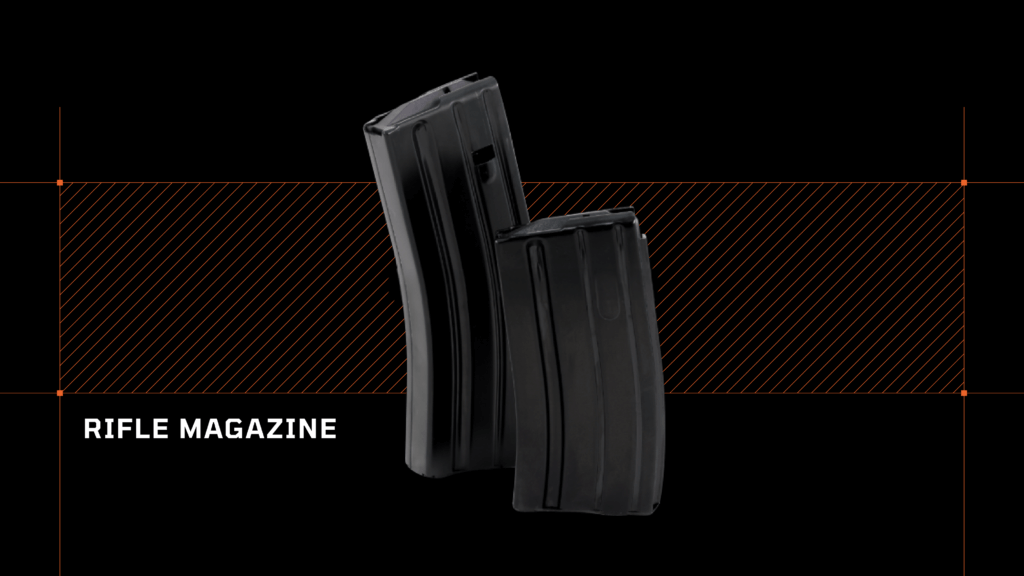
In the world of firearms, the gun magazine stands as a crucial component, often underappreciated despite its pivotal role in ensuring optimal performance and reliability. The material from which a magazine is constructed can significantly impact its durability, weight, and overall functionality. In this article, we’ll delve into the key differences between three commonly used materials for gun magazines: steel, aluminum, and polymer.
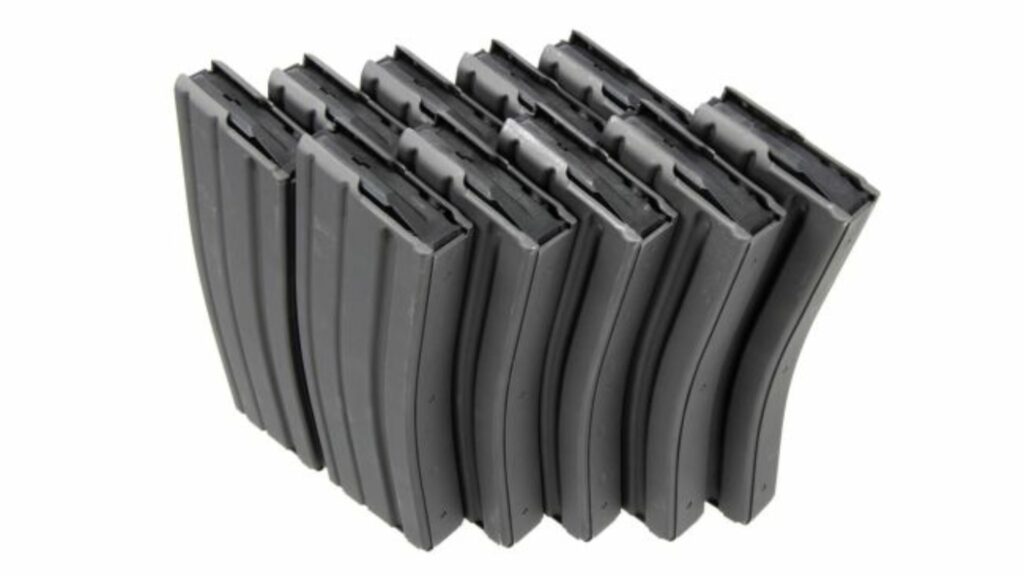
I. Steel Magazines: Durability Meets Reliability
- Durability: Steel magazines are renowned for their exceptional durability and reliability. Constructed from sturdy steel alloys, these magazines can withstand extended use and adverse conditions with ease. Whether subjected to rough handling, extreme temperatures, or corrosive environments, steel magazines remain steadfast in their performance.
- Reliability: One of the hallmarks of steel magazines is their unwavering reliability. Steel exhibits excellent resistance to wear and tear, ensuring a long service life and dependable feeding of ammunition. This reliability is especially crucial in high-stakes situations where any malfunction could have serious consequences.
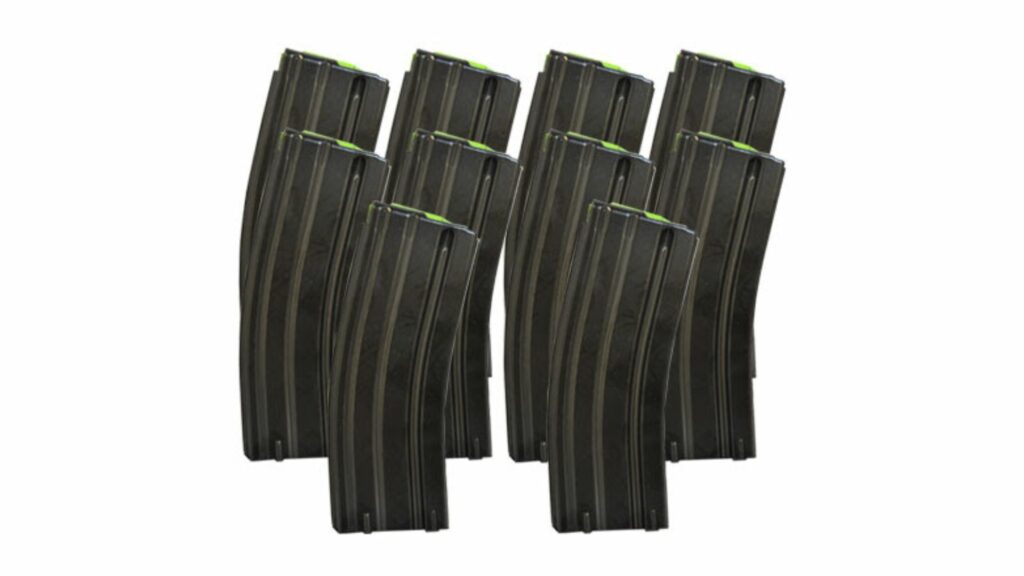
I. Aluminum Magazines: Lightweight and Efficient
- Lightweight Design: Aluminum magazines offer significant weight savings without sacrificing reliability, making them exceptionally easy to handle and manipulate. This lightweight design is particularly advantageous in scenarios where agility and mobility are paramount, such as competitive shooting or tactical operations.
- Efficiency: Beyond their lightweight construction, aluminum magazines are prized for their efficiency in feeding ammunition. The smooth surface of aluminum allows cartridges to move freely, minimizing friction and potential feeding issues. This translates to consistent performance and enhanced shooting experience for users.
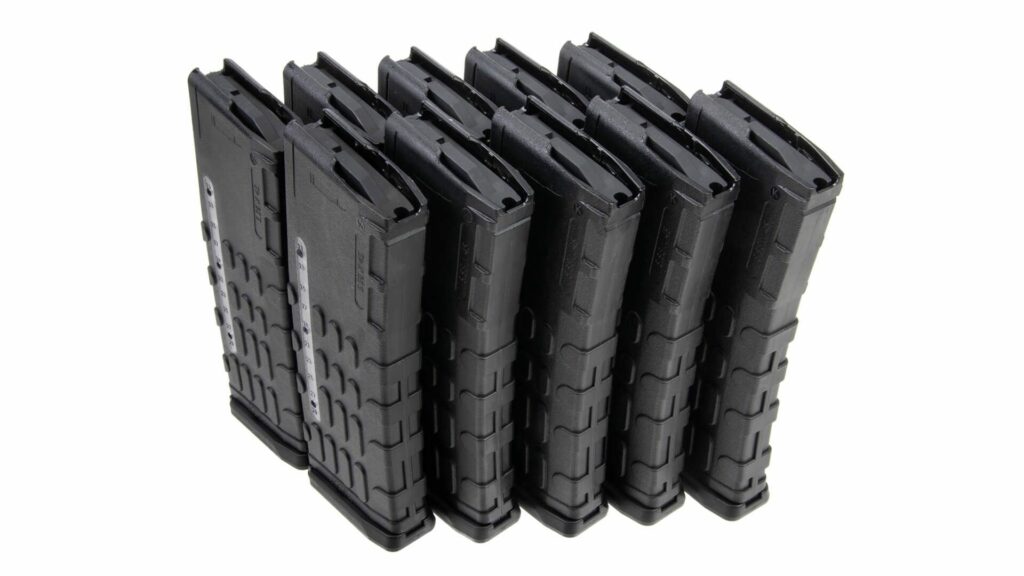
III. Polymer Magazines: Versatility and Impact Resistance
- Versatility: Polymer magazines represent the latest innovation in firearm accessory technology, offering unparalleled versatility and adaptability. Constructed from high-strength polymers, these magazines combine lightweight design with exceptional durability, making them suitable for a wide range of shooting applications.
- Impact Resistance: One of the key advantages of polymer magazines is their superior impact resistance. Resistant to dents, scratches, and corrosion, polymer magazines maintain their functionality even in the most demanding conditions. This durability ensures reliable performance and peace of mind for shooters in any environment.
IV. Choosing the Right Gun Magazine Material for Your Needs
- Considerations: When selecting the ideal gun magazine material for your firearm, several factors should guide your decision. Consider your intended use, environmental conditions, and personal preferences to determine which material best suits your needs.
- Steel: Steel magazines are ideal for applications where durability and reliability are paramount, such as military and law enforcement use. Their robust construction ensures consistent performance in any situation, making them a trusted choice for professionals and enthusiasts alike.
- Aluminum: Balancing weight savings with functionality, aluminum magazines are well-suited for shooters seeking agility and mobility without sacrificing reliability. Whether competing on the range or navigating tight spaces in a tactical environment, aluminum magazines offer a compelling combination of performance and convenience.
- Polymer: Polymer magazines are the epitome of versatility and impact resistance, with modern features enhancing the shooting experience. From translucent bodies for quick ammo checks to ergonomic designs for enhanced grip, polymer magazines cater to the diverse needs of shooters across various disciplines.
| Feature | Steel Magazines | Aluminum Magazines | Polymer Magazines |
|---|---|---|---|
| Durability | Highly durable, resistant to wear and tear | Moderate durability, prone to denting | High impact resistance, resistant to scratches and dents |
| Weight | Heavier compared to aluminum and polymer | Lightweight, offers significant weight savings | Lightweight, provides ease of handling |
| Corrosion Resistance | Excellent resistance to corrosion | Prone to corrosion over time | Highly resistant to corrosion and rust |
| Cost | Typically more expensive due to material and manufacturing costs | Moderately priced, offering a balance between cost and performance | Often the most affordable option |
| Customization | Limited customization options | Some customization available | Extensive customization options available |
| Compatibility | Widely compatible with various firearms | Compatible with most firearms | Compatibility varies depending on design |
| Aesthetics | Traditional appearance, often preferred for classic firearms | Sleek and modern appearance | Modern appearance, often available in various colors |
V. Conclusion
The material from which a gun magazine is constructed plays a significant role in its performance, durability, and overall utility. Steel, aluminum, and polymer magazines each offer distinct advantages and considerations, allowing shooters to tailor their firearm setup to meet their unique needs and preferences.
Whether you prioritize durability, weight savings, or versatility, there’s a gun magazine material that’s perfectly suited to your requirements. By understanding the key differences between steel, aluminum, and polymer magazines, you can make an informed decision and ensure that your firearm is equipped with the best possible magazine for your shooting endeavors.
References
- POLYMER VS. STEEL VS. ALUMINUM MAGAZINES
- What Are Gun Magazines Made Of?
- Magazine Material: Does Construction Matter?