
I. What are Non-Destructive Testing Methods
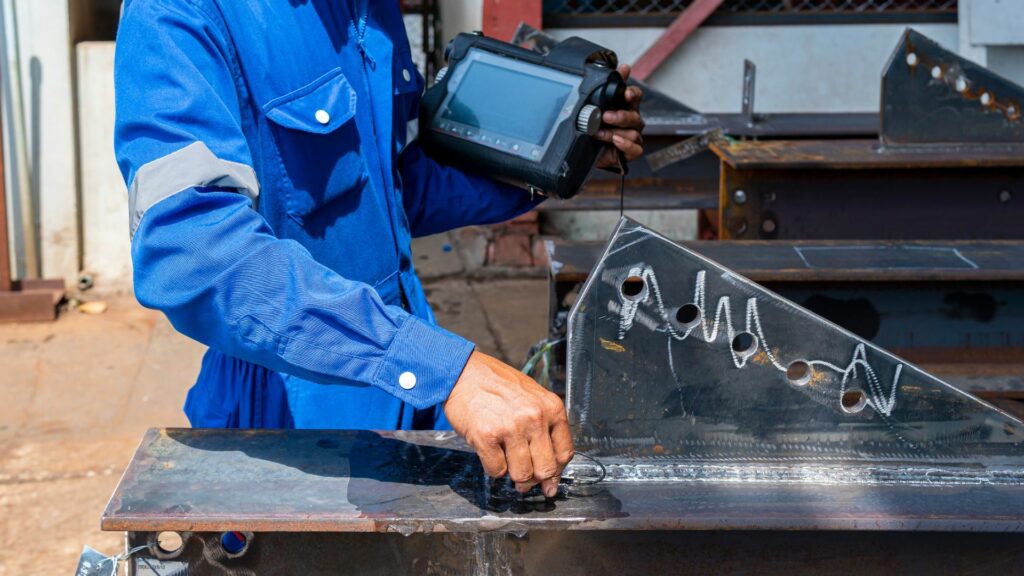
Non-destructive testing (NDT) is a critical technique used to assess the characteristics and integrity of materials without causing damage or destruction to them. In the field of firearms manufacturing, NDT plays a vital role, especially in conducting firearms material analysis. These testing methods assist manufacturers in evaluating the quality of materials, detecting defects, and ensuring compliance with relevant specifications and standards.
Through NDT techniques, manufacturers can delve into the material properties of firearm components to ensure they meet high technical requirements and safety standards. Therefore, conducting firearms material analysis using NDT is crucial in the firearms manufacturing industry, as it helps ensure that produced firearm components possess excellent quality and reliability.
II. The role that Non-Destructive Testing Methods play in Firearms Material Analysis
In the process of firearms manufacturing, non-destructive testing (NDT) plays a crucial role in firearms material analysis. Through NDT techniques, manufacturers can assess the characteristics and integrity of firearms materials without causing any damage. These testing methods, including ultrasonic testing, radiographic testing, magnetic particle testing, and liquid penetrant testing, assist manufacturers in detecting and analyzing defects, cracks, inclusions, and other issues in firearm components.
Through these evaluations, manufacturers can ensure that the quality of firearms materials meets relevant specifications and standards, guaranteeing their reliability and safety. Therefore, NDT plays an indispensable role in firearms manufacturing, ensuring that produced firearm components are of high quality and performance.
III. Most Used Non-Destructive Testing Methods
Ultrasonic Testing (UT)
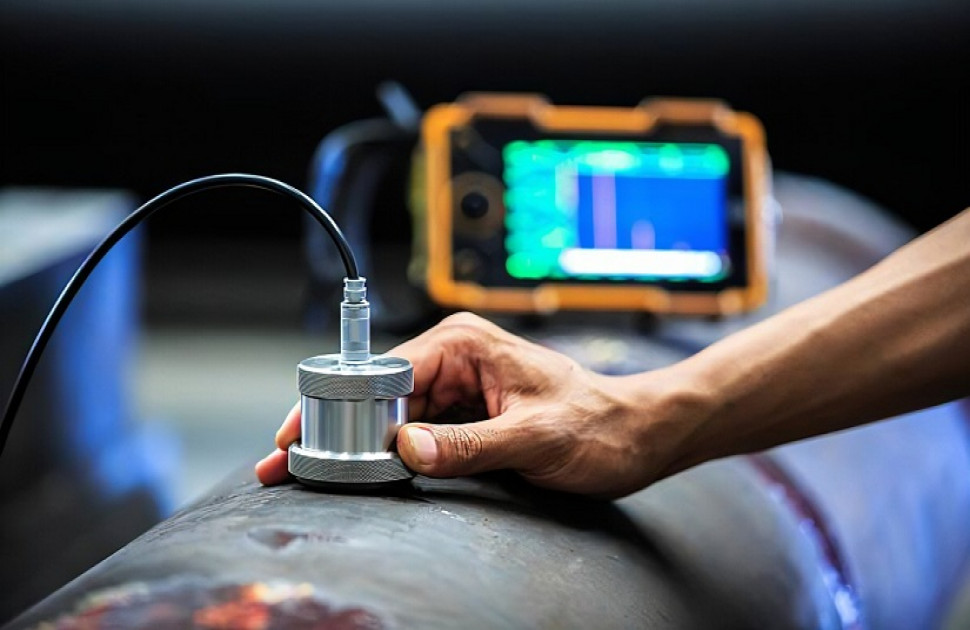
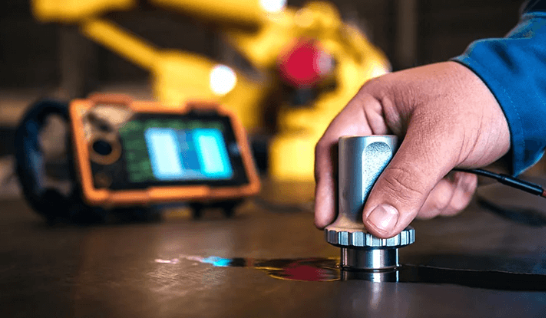
The operating principle of Ultrasonic Testing (UT) is based on the transmission and reception of high-frequency ultrasonic waves. During UT, ultrasonic waves are first transmitted to the surface or interior of firearms materials. These waves penetrate through the material and reflect at different interfaces or defects within the material. The detector receives these reflected waves and converts them into electrical signals, which are then analyzed for characteristics such as intensity, time delay, and shape. By analyzing the characteristics of the reflected waves, the internal structure and integrity of firearms materials can be evaluated, and defects such as cracks, bubbles, or inclusions can be detected.
Radiographic Testing (RT)
The principle behind Radiographic Testing (RT) involves the use of X-rays or gamma rays to penetrate through materials and create an image that reveals the internal structure of the material. During RT, X-rays or gamma rays are emitted towards the firearm material being tested. As these rays pass through the material, they are absorbed to varying degrees depending on the material’s density and thickness. Areas with defects or discontinuities, such as cracks or inclusions, will result in differences in X-ray or gamma ray absorption, creating contrasts on the radiographic image. By analyzing these contrasts, technicians can identify and assess the presence of internal flaws in firearm components.
Magnetic Particle Testing (MPT)
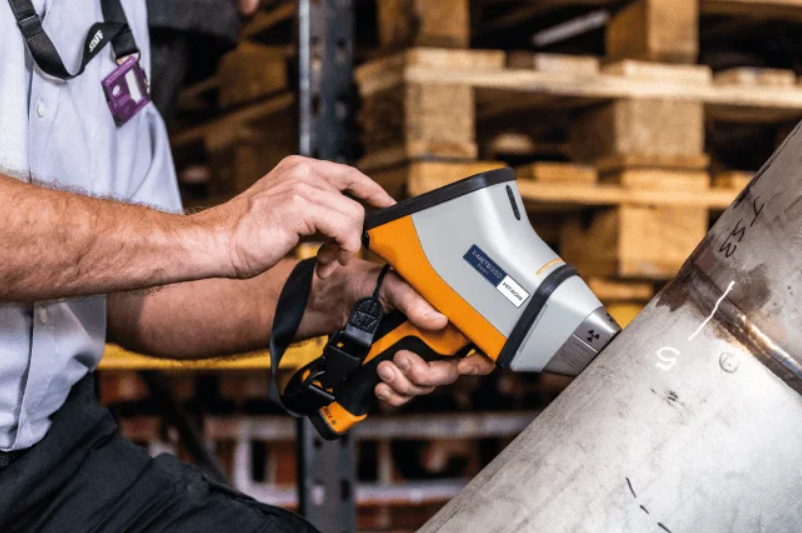
The principle behind Magnetic Particle Testing (MPT) involves the application of a magnetic field and magnetic particles to the surface of the material being tested. During MPT, the material is magnetized, causing magnetic flux to flow through the material. If there are any surface or near-surface defects, such as cracks or laps, the magnetic flux will be disrupted at these locations, creating magnetic poles on the material’s surface. Magnetic particles, typically suspended in a liquid or powder form, are then applied to the magnetized surface. These particles will be attracted to the areas with disrupted magnetic flux, forming visible indications or accumulations that highlight the presence of defects.
The Differences Between These Three NDT Methods while Doing Firearms Material Analysis
| Aspect | Magnetic Particle Testing (MPT) | Radiographic Testing (RT) | Ultrasonic Testing (UT) |
|---|---|---|---|
| Operating Principle | Relies on magnetic field and particles to detect surface and near-surface defects by creating magnetic poles on the material’s surface | Uses X-rays or gamma rays to penetrate materials and produce an image revealing internal structure | Utilizes high-frequency sound waves to penetrate materials and assess internal structure by analyzing reflected waves |
| Detection Capability | Best suited for detecting surface and near-surface defects in ferromagnetic materials | Effective in detecting internal defects such as voids, inclusions, and cracks | Ideal for detecting internal defects and flaws throughout the material thickness |
| Material Limitations | Limited to ferromagnetic materials | Suitable for a wide range of materials including metals, plastics, and composites | Suitable for most materials, but may be limited by material density and thickness |
| Inspection Speed | Relatively fast inspection process | Inspection time may vary depending on material thickness and density | Inspection time may vary depending on material thickness and complexity |
| Equipment Complexity | Generally simpler equipment setup | Requires specialized X-ray equipment and trained personnel | Requires specialized ultrasonic equipment and trained personnel |
| Cost | Generally lower cost compared to RT and UT | Higher initial investment due to equipment and safety requirements | Moderate initial investment, depending on equipment complexity |
| Safety Considerations | Generally safer as it does not involve radiation exposure | Involves radiation exposure, requiring strict safety protocols | Generally safe, but may require precautions for equipment operation |
IV. How to Choose NDT Methods while Conducting Firearms Material Analysis
When conducting firearms material analysis, selecting the appropriate non-destructive testing (NDT) methods is crucial to ensure accurate and reliable results. Several factors should be considered when choosing NDT methods for firearms material analysis.
Firstly, the type of material being tested plays a significant role in method selection. For example, if the firearm components are made of ferromagnetic materials, Magnetic Particle Testing (MPT) may be the preferred method due to its effectiveness in detecting surface and near-surface defects in such materials.
Secondly, the specific defects or flaws targeted for detection will influence the choice of NDT method. For instance, if the focus is on internal defects such as voids or inclusions, Radiographic Testing (RT) or Ultrasonic Testing (UT) may be more suitable, as they can penetrate through the material thickness to detect internal flaws.
Additionally, the desired inspection speed, equipment complexity, cost, and safety considerations should also be taken into account when selecting NDT methods for firearms material analysis. By carefully considering these factors, manufacturers can choose the most appropriate NDT methods to ensure the quality, safety, and reliability of firearm components during the material analysis process.