In the article you can discover the benefits of understanding gun magazine trade terms. Learn how mastering trade terms can streamline international commerce, ensure regulatory compliance, and optimize cross-border transactions. Explore why trade terms play a crucial role in facilitating smooth and efficient trade practices in the global marketplace.
I. Background Introduction to Gun Magazine Trade Terms
Trade terms have long been instrumental in facilitating international commerce. Originating from ancient trade routes like the Silk Road and evolving through history, standardized terms have become vital for clarifying agreements and reducing risks in global trade.
Today, trade terms such as Incoterms® set by the International Chamber of Commerce (ICC) serve as universal guidelines. They define responsibilities, risks, and costs between buyers and sellers, ensuring smooth transactions across diverse cultures and legal systems.
In an increasingly globalized world, standardized trade terms remain essential, providing a common language for businesses to negotiate and execute international transactions with clarity and confidence.
II. Why Gun Magazine Trade Terms Matter
Gun magazine trade entails particular sensitivities due to its involvement with firearms, necessitating meticulous transaction arrangements and regulations. In this context, the appropriate use of trade terms becomes paramount to ensure both buyers and sellers have a clear understanding of their responsibilities and obligations while effectively addressing the various challenges encountered in gun magazine trade.
Firstly, gun magazine trade often involves international shipping and cross-border transactions, potentially spanning multiple countries and regions with varying laws and regulations. In such scenarios, correct trade terms help determine the time and place of transfer of ownership of goods, as well as the allocation of transportation costs and risks between the parties involved.
Secondly, products in gun magazine trade fall under highly regulated and restricted categories, subject to strict oversight from international trade regulations. In such cases, proper trade terms assist in specifying delivery details, including document and permit requirements, to ensure compliance and legal responsibility for both buyers and sellers.
Lastly, the nature of gun magazine trade implies a need for heightened security measures and risk control. Clear trade terms ensure the security of delivery processes and delineate responsibilities for any potential loss or damage to goods during transportation.
In summary, the importance of trade terms in gun magazine trade is evident. They provide a clear framework to facilitate effective communication, negotiation, and execution of transactions while minimizing unnecessary risks and disputes.
III. Complete Overview of Gun Magazine Trade Terms
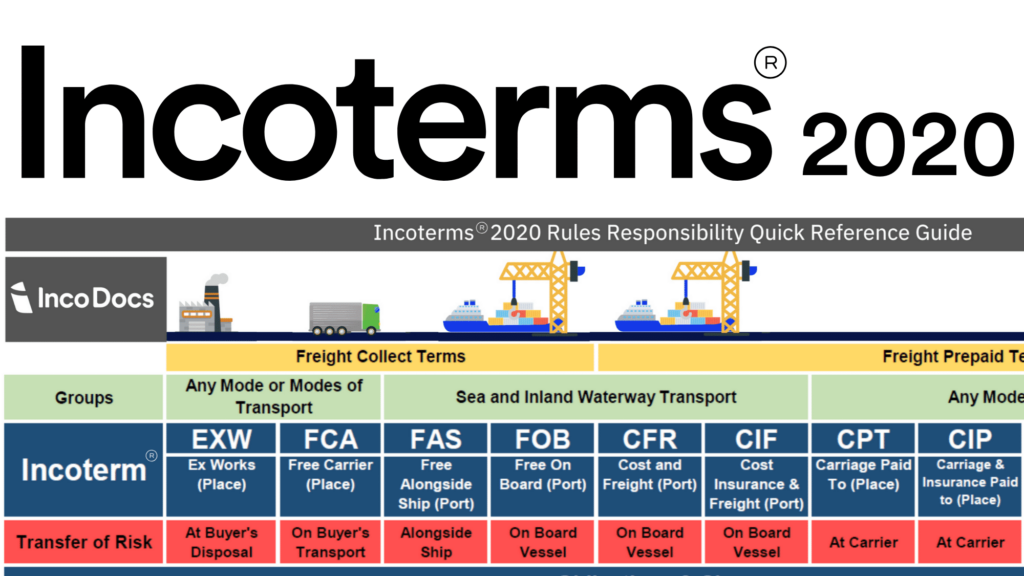
Providing a comprehensive overview of Gun Magazine Trade Terms involves detailed explanations of common trade terms and their specific applications and impacts in gun magazine trade. Below are some commonly used trade terms and their relevant details:
For Any Mode of Transport
| Trade Term | Description | Seller Responsibility | Buyer Responsibility |
|---|---|---|---|
| EXW – Ex Works | Seller makes goods available at their premises or another agreed place. Buyer assumes ownership and handles costs and risks after collection. Seller has no obligation once goods leave premises. | Make goods available at premises | Assumes costs and risks post-collection |
| FCA – Free Carrier | Seller delivers goods to buyer’s premises, loads them onto buyer’s transport. Seller organizes shipping, including export clearance. Risk transfers when goods are loaded. Buyer pays freight, bill of lading fees, insurance, unloading, and transportation costs. FCA resolves issues with transport intermediaries under Incoterms 2020. | Delivers goods to buyer’s premises, loads onto buyer’s transport | Assumes costs and risks post-loading |
| CPT – Carriage Paid To | Seller bears transportation costs to buyer’s destination. Seller clears goods for export and delivers them to carrier or place of destination. Risk transfers to buyer at defined place of shipment. Seller not responsible for insurance, unless specified. | Bears transportation costs to buyer’s destination | Assumes risks post-loading |
| CIP – Carriage and Insurance Paid To | Seller insures goods, bears transportation costs to destination. Seller responsible for transportation costs to designated place. Risk transfers to buyer at defined place of shipment. CIP requires higher level of insurance under Incoterms 2020. | Insures goods, bears transportation costs to destination | Assumes risks post-loading |
| DPU – Delivered at Place Unloaded | Seller unloads goods, covers transportation costs. Seller pays for unloading from carrier and port charges. Seller assumes risks until arrival at destination. Buyer responsible for costs and risks after unloading. If unable to organize unloading, seller should consider shipping under DAP terms instead. | Unloads goods, covers transportation costs | Assumes risks and costs post-unloading |
| DAP – Delivered At Place | Seller delivers goods to named destination but not responsible for unloading. Seller handles packing, export clearance, carriage expenses. Buyer responsible for all costs, duties, taxes, and customs clearance associated with unloading and importing goods. Risk transfers to buyer at final designated place. | Delivers goods to named destination | Assumes risks and costs post-delivery |
| DDP – Delivered Duty Paid | Seller bears all risks and costs until goods are delivered. Seller clears goods through customs, pays duties and taxes. Buyer assumes no risk or responsibility until goods are at final agreed place. DDP should be used cautiously without a profound understanding of buyer’s country rules and regulations. | Bears all risks and costs until goods are delivered | Assumes no risk until goods are delivered |

For Sea and Inland Waterway Transport
| Trade Term | Description | Seller Responsibility | Buyer Responsibility |
|---|---|---|---|
| FAS | Under FAS, the seller delivers the goods alongside the buyer’s vessel at the named port of shipment. From this point, the buyer bears all costs and risks of loss or damage. | Delivery alongside vessel | Assumes costs and risks after delivery |
| FOB | FOB terms mean the seller bears costs and risks until the goods are loaded on board the designated vessel. The seller’s responsibility also includes arranging export clearance. | Responsible until loading | Marine freight, bill of lading fees, insurance, unloading, local transportation |
| CFR | CFR incurs significant risk and responsibility for the seller who pays for the carriage of the goods up to the named port of destination. The risk is transferred to the buyer when the goods are loaded on board the ship. | Pays for carriage to destination port | Assumes responsibility upon loading |
| CIF | Under CIF terms, the seller clears the goods for export and delivers them when they are on board at the port of shipment. The seller bears the cost of freight and insurance to the designated port of destination. | Clears goods for export, delivers on board | Assumes costs and risks upon arrival at destination port |
IV. How to Choose the Right Gun Magazine Trade Terms
When it comes to selecting the most suitable trade term for gun magazine trade, several factors need consideration. Each trade term comes with its own set of advantages and disadvantages, and the choice should align with the specific needs and circumstances of the transaction. Here’s a guide to help you navigate through the decision-making process:
| Consideration | Description |
|---|---|
| Nature of Goods | Factors such as size, fragility, and special handling requirements of the gun magazines being traded influence the choice of trade term. |
| Delivery Location | The location where the goods will be delivered (seller’s premises, buyer’s premises, or designated port) affects the allocation of risks and responsibilities. |
| Risk Allocation | Different trade terms allocate risks differently between the buyer and the seller, including risks like loss or damage during transit, customs clearance, and delays. |
| Cost Implications | Each trade term involves various costs, such as transportation, insurance, customs duties, and handling fees. Consider overall cost implications for budget alignment. |
| Legal Implications | Understand the legal implications of each trade term, including applicable laws and regulations governing international trade, and ensure compliance with legal requirements. |
| Professional Advice | Seek advice from trade professionals, legal experts, or industry peers if unsure about which trade term to choose. Their insights can help make an informed decision. |
By carefully considering these factors and weighing the pros and cons of each trade term, you can select the right Gun Magazine Trade Term that best meets your needs and facilitates a smooth and successful transaction.
V. Conclusion: Key Takeaways for Gun Magazine Trade Terms
To sum up, selecting the right trade term for gun magazine trade is crucial for ensuring a smooth and successful transaction. By considering factors such as the nature of the goods, delivery location, risk allocation, cost implications, legal requirements, and seeking professional advice when needed, businesses can make informed decisions that align with their specific needs and circumstances.
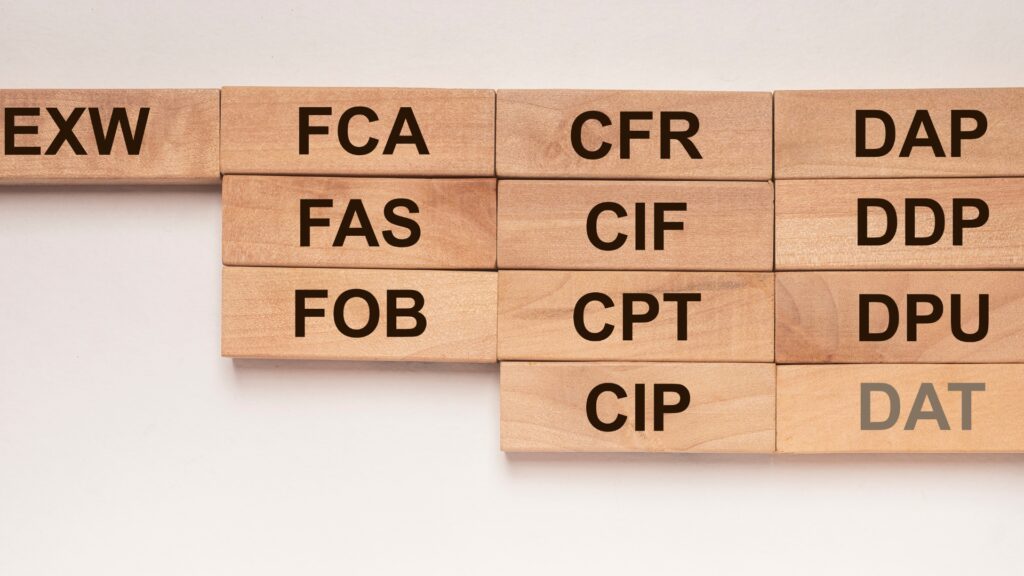
Each trade term has its own advantages and disadvantages, and it’s essential to weigh them carefully before making a choice. Whether it’s EXW, FCA, CPT, CIP, DPU, DAP, DDP, FAS, FOB, CFR, or CIF, understanding how these terms allocate risks and responsibilities between the buyer and the seller is key to mitigating potential issues and ensuring a mutually beneficial transaction.
By following the guidelines outlined in this article and leveraging the insights provided, businesses involved in gun magazine trade can navigate the complexities of international commerce with confidence and achieve their objectives effectively. Remember, informed decision-making is the cornerstone of successful trade relationships.